Mechanics of Interconnected Gaming Rewards in App Ecosystems
Written by Vera Schmitt · Oct 15, 2026
Mechanics of Interconnected Gaming Rewards in App Ecosystems
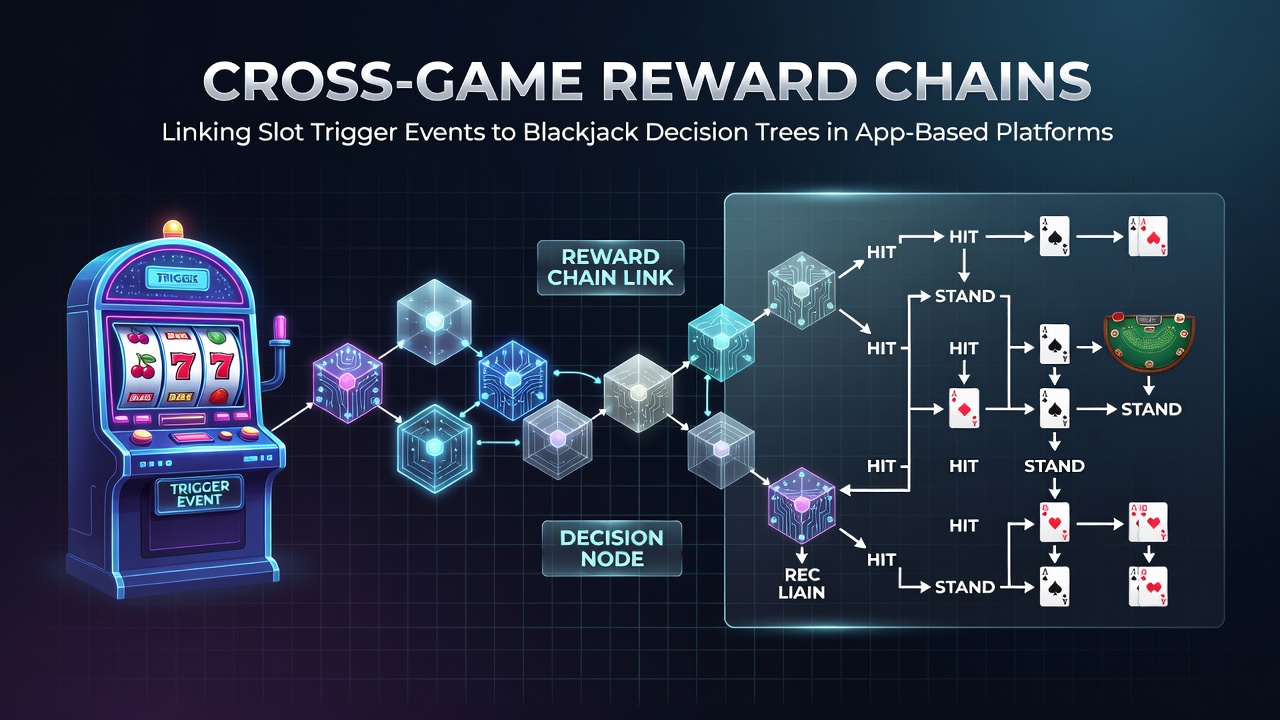
App-based platforms have developed systems that connect slot machine activations directly to blackjack gameplay through structured reward pathways, and these connections allow players to carry progress across different game types in unified sessions. Data from industry reports shows that such linkages rely on event triggers in slots, including specific reel combinations or bonus round completions, which then feed parameters into decision trees used for blackjack choices like hit, stand, or double down. Observers note that this integration creates chains where outcomes from one game influence available options or multipliers in another, while maintaining separate rule sets for each title.
Core Components of Reward Linkage Systems
Slot trigger events typically involve predefined conditions such as landing particular symbols across paylines or entering free spin modes, and these events generate data points that platforms map to blackjack elements. Researchers have documented how these points adjust variables within decision trees, which represent optimal play paths based on dealer upcards and player hands. According to figures from the American Gaming Association, platforms implementing these chains saw measurable shifts in session patterns during mid-2026, particularly where reward accumulation crossed game boundaries. The process operates through backend algorithms that track user activity without altering core probabilities in either game category.
Blackjack decision trees function as branching logic structures that calculate expected values for each possible action given the current state, and when linked to slot triggers, certain branches gain temporary enhancements like increased payout ratios or extended time limits. Experts have observed that this occurs because the chains treat slot events as external inputs that modify tree nodes, allowing for dynamic adjustments while preserving regulatory compliance standards across jurisdictions. People who analyze platform logs often find that the connections emphasize continuity, so a successful slot bonus round might unlock a parallel tree variant with altered risk parameters for subsequent blackjack hands.
Platform Implementation Patterns
Mobile applications deploy these reward chains through unified user accounts that monitor activity across integrated titles, and synchronization happens in real time via server-side processing. Studies indicate that developers prioritize seamless transitions, where a slot trigger event instantly updates the blackjack interface with new decision prompts or bonus indicators. In October 2026, tracking data revealed increased adoption of these features in apps serving North American and European markets, with transaction volumes tied to cross-game rewards rising by several percentage points compared to earlier periods. The architecture avoids direct interference between games, instead routing rewards through intermediary ledgers that convert slot achievements into applicable blackjack modifiers.
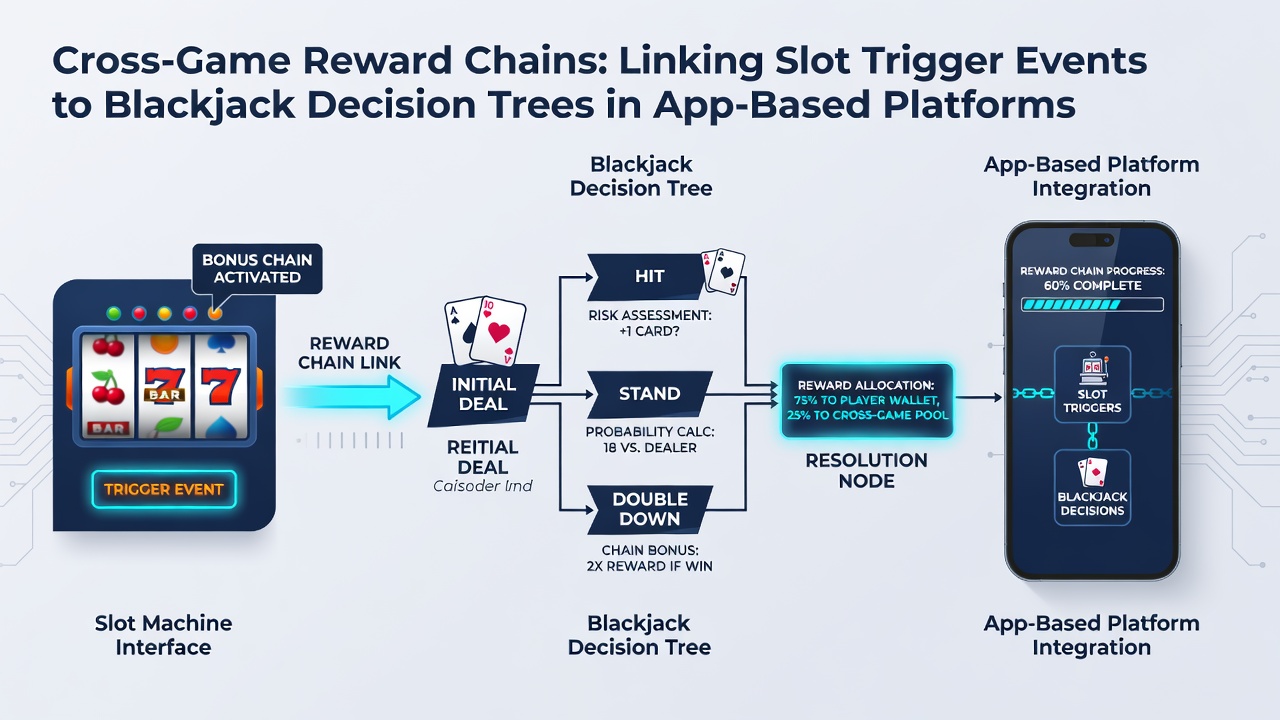
Security protocols ensure that trigger events undergo verification before influencing blackjack trees, which prevents unauthorized modifications and aligns with oversight requirements from bodies such as those in Canadian provincial frameworks. Industry analyses show that apps incorporating these chains maintain distinct random number generators for slots and blackjack, using the reward layer only for supplementary benefits rather than core outcomes. Those who review code structures note the use of event listeners that flag qualifying slot results and pass structured data packets to the blackjack module for tree recalculation.
Data Trends and Operational Effects
October 2026 metrics from platform operators highlighted how cross-game chains affected average play durations, with sessions incorporating both slot triggers and blackjack decisions extending by notable margins when compared to isolated gameplay. Reports from the Australian Gambling Research Centre documented similar patterns in tested markets, where linkage features correlated with higher engagement rates across reel and card formats. The trees themselves remain rooted in established blackjack strategy matrices, yet receive periodic overlays from accumulated slot data that can shift node priorities without changing fundamental odds calculations.
Developers continue to refine trigger thresholds so that frequent slot events build toward meaningful blackjack advantages, such as temporary insurance options or enhanced splitting rules. Evidence from aggregated user data suggests these adjustments occur within controlled parameters that platforms audit regularly to meet fairness standards. Observers tracking October 2026 releases point to expanded use of such chains in titles from multiple providers, where slot activations feed progressive reward pools accessible during blackjack rounds.
Conclusion
Cross-game reward chains represent an evolving layer in app-based gaming that ties slot trigger events to blackjack decision trees through defined data mappings and intermediary processing. Current implementations emphasize verified event handling and separate game integrity, while October 2026 figures indicate ongoing expansion in adoption and measurable impacts on user patterns. These systems operate within established regulatory environments across regions, relying on technical linkages that preserve individual game mechanics even as rewards flow between them.